
- Land Rover Range
- Body Type
- Brand
- Aftermarket Products (25)
- Apec (27)
- Borg & Beck (22)
- Bosch (84)
- Brembo (38)
- Delphi (24)
- Ebc (47)
- Ebc Brakes (27)
- Febi Bilstein (33)
- First Line (26)
- Fls (65)
- Land Rover (794)
- Landrover (25)
- Lr Trade Parts Uk (29)
- Napa (26)
- Nrf (29)
- Oe Quality (32)
- Powerful Uk Ltd (33)
- Range Rover (40)
- Textar (30)
- Other (3206)
- Drive Type
- Fuel Type
- Type
- Alternator (12)
- Brake Caliper (13)
- Brake Disc (17)
- Brake Disc Rotor (101)
- Brakes (37)
- Bumper (19)
- Complete Caliper (16)
- Control Arm (21)
- Cooling And Heating (13)
- Engine Rebuild Kit (12)
- Grill / Vent (13)
- Grille (20)
- Headlight Assembly (12)
- Rear Light Assembly (16)
- Running Board (16)
- Side Steps (44)
- Starter Motor (12)
- Transmission (14)
- Turbocharger (14)
- Wheel Set (161)
- Other (4079)
- Year
Front Brembo Brake Pads Set For Land Rover Range Rover Sport 3.0 TD
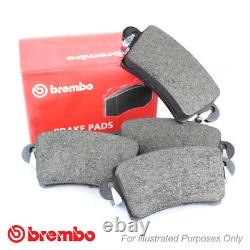
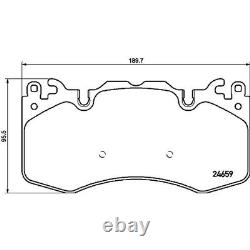
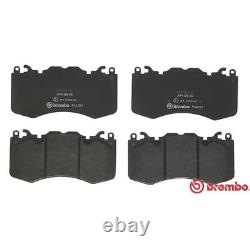
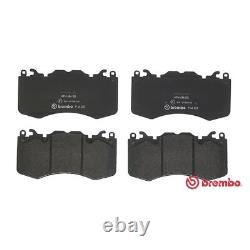









Front Brembo Brake Pads Set For Land Rover Range Rover Sport 3.0 TD. Need help or advice before purchasing? 4 Pads - Axle Set. Still unsure if this part fits? Send us a message with your registration and we will check.
When it comes to ensuring the safety and performance of your vehicle, quality brake pads are paramount. Our company, a leading automotive online retailer in the UK and an Authorised Distributor of Brembo Aftermarket Replacement Brake Pads. These high-quality brake pads are meticulously engineered to deliver superior braking performance and safety for your vehicle. Premium Friction Material: Crafted from top-grade friction materials, these brake pads ensure excellent stopping power and consistent performance, even under demanding conditions.Optimal Fit: Designed to perfectly fit a wide range of vehicle makes and models, ensuring hassle-free installation and compatibility. Quiet and Smooth Braking: The advanced design minimises noise and vibrations, providing a quiet and smooth braking experience. Reduced Dust: Brembo's proprietary formulations reduce brake dust, keeping your wheels cleaner for longer periods. Enhanced Heat Dissipation: These brake pads have superior heat dissipation properties, reducing the risk of brake fade and ensuring consistent performance.
Improved Safety: Brembo Aftermarket Replacement Brake Pads offer enhanced stopping power, reducing braking distances and enhancing your vehicle's safety. Quiet Operation: Experience noise-free braking, ensuring a peaceful and comfortable ride for you and your passengers. Cleaner Wheels: Say goodbye to unsightly brake dust, as these pads keep your wheels cleaner and maintain your vehicle's appearance. Consistent Performance: Whether you're in stop-and-go traffic or cruising on the highway, these pads deliver consistent and reliable braking performance. Cost-Effective: Their durability and resistance to wear mean fewer replacements and maintenance costs over time. Once you place an order with us, our dedicated team works diligently to dispatch your items promptly, so you can get your vehicle back on the road as quickly as possible. Whether you're in the UK or anywhere else around the world, we've got you covered. Once your order is dispatched, we provide tracking information, so you can monitor its progress and know exactly when to expect your package. We take great care to ensure that your items arrive in pristine condition. All products are securely packaged to protect them from any potential damage during transit.To be eligible for a return, the item must be unused, in its original condition, and in its original packaging. Please ensure that all accessories, manuals, and other components are included when returning the product. We stand behind the quality and performance of our products.
In the event that a repair is not feasible, or if the same product is no longer available, we will offer a replacement item of equal value. From essential components like brakes, filters, and engine parts to performance-enhancing upgrades, DIY tools or air fresheners, we have everything you need to keep your vehicle running smoothly and looking its best.
Your shopping experience is at the heart of what we do. Our dedicated customer service team is always ready to assist you with any inquiries or concerns. We strive to provide prompt and helpful responses to ensure you have a seamless experience with us. Our loyal customers and excellent reviews speak volumes about our commitment to excellence - your satisfaction is our ultimate goal. We're here to assist you in finding the right products for your vehicle and to make your shopping experience enjoyable and hassle-free. Browse our store, find the perfect automotive solutions, and experience excellent customer service. We look forward to serving you and meeting all your automotive needs. What are brake pads, and what is their primary function in a vehicle's braking system? Brake pads are friction materials that play a vital role in your vehicle's ability to stop.When you press the brake pedal, hydraulic pressure is applied to the brake calipers, which squeeze the brake pads against the brake rotors (or discs). This friction generates heat and slows down the rotation of the wheels, eventually bringing your vehicle to a stop. Brake pads are essential for converting the kinetic energy of your moving car into heat energy to stop safely and efficiently.
How often should I replace my brake pads? Is there a specific mileage or time frame I should follow?
The replacement interval for brake pads can vary depending on several factors, including your driving habits, vehicle type, and the type of brake pads used. On average, brake pads are typically replaced every 30,000 to 70,000 miles (48,000 to 112,000 kilometers). However, it's essential to monitor your brake pads for signs of wear and listen for any unusual noises. If you notice decreased braking performance, squeaking, grinding, or if your brake warning light is on, it's time to have your brake pads inspected and possibly replaced sooner.
What are the signs that my brake pads may need replacing? Squeaking or squealing noises when you apply the brakes.
Grinding or growling sounds, indicating that the pads have worn down to the metal. Reduced braking performance, such as a longer stopping distance. Vibrations or pulsations in the brake pedal. The brake warning light on your dashboard is illuminated. Do I need to replace both the front and rear brake pads at the same time, or can I do them separately?
Brake wear can vary between the front and rear wheels, and it's common to replace them as needed. However, it's essential to maintain balance and even braking performance.If one set of pads has significantly more wear than the other, it's advisable to replace both the front (axle set) or both the rear pads(axle set) simultaneously to ensure consistent braking. Are there any special maintenance tips or precautions I should take to extend the lifespan of my brake pads? Avoid aggressive driving habits like hard braking. Maintain proper tyre inflation to reduce strain on the brakes.
Regularly inspect and clean your brakes to remove dust and debris. Use high-quality brake fluid and have it changed per your vehicle's recommended schedule. Follow a balanced driving style that minimises unnecessary braking and coasting when possible. What are the potential consequences of neglecting brake pad replacement when they are worn out? Increased stopping distances, which can result in accidents. Reduced braking effectiveness, especially in emergency situations. Increased wear on other brake components, like Brake Discs/Rotors and calipers, leading to more expensive repairs. The risk of damaging the brake Disc/Rotor surface, which may necessitate costly rotor replacement.Ultimately, neglecting brake pad replacement can compromise your safety and result in more significant repair costs. Can I install brake pads myself, or should I have a professional mechanic do it?
While some experienced car owners may be able to replace brake pads themselves, it's generally recommended to have a qualified mechanic handle this task. Brake pad replacement involves crucial safety components, and an incorrect installation can lead to brake failure, putting your safety at risk. Professional mechanics have the necessary expertise and tools to ensure proper installation, including brake bleeding and caliper inspection. How do I properly break in new brake pads to ensure optimal performance and longevity?Initial Gentle Driving: After having new brake pads installed, drive your vehicle cautiously for the first 200-300 miles (320-480 kilometers). During this period, avoid aggressive or sudden stops. Progressive Braking: Gradually increase the brake pressure over the initial miles to bed the brake pads and Discs/Rotors together. This helps create an even friction surface.
Avoid Hard Stops: Do not perform hard or emergency stops during the break-in period, as this can lead to uneven pad wear and decreased braking performance. Cooling Period: After driving, allow the brakes to cool down naturally. Avoid parking your vehicle immediately after intense braking, as this can lead to brake pad imprinting on the rotor. Monitor Performance: Pay attention to how your brakes feel during the break-in period.If you notice any unusual noises or decreased performance, consult a mechanic.